
rechargeable makeup mirror
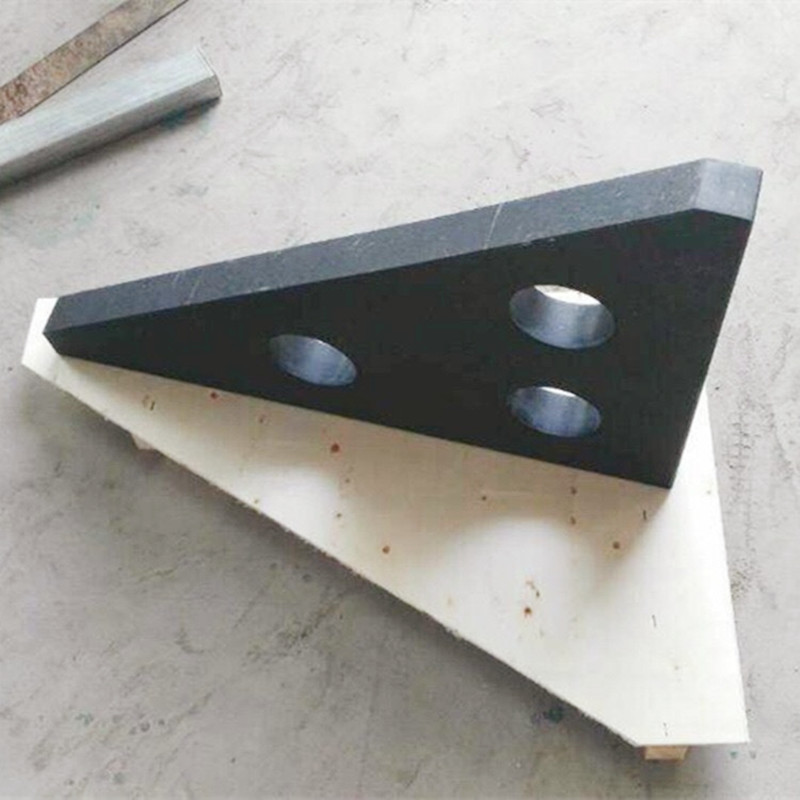
The Parallel Ruler A Tool of Precise Measurement In the realm of drafting and design, precision is paramount. Among the various tools utilized by architects, engineers, and artists, the parallel ruler stands out as a device that significantly enhances the accuracy of line drawing and measurement. Unlike traditional straightedges that can only be used in a limited way, the parallel ruler offers a unique and efficient method for maintaining parallel lines while ensuring consistent measurements. The parallel ruler, often made of wood or metal, features two rulers connected by a set of moveable arms. This design allows users to draw or measure multiple parallel lines with ease. Whether it’s for creating technical drawings, maps, or intricate designs, the ability to maintain consistent spacing between lines is crucial. Using a parallel ruler, drafters can quickly execute complex designs without the need for tedious calculations or repetitive measurements. One of the most notable advantages of the parallel ruler is its capability to facilitate scaling. By aligning the ruler with a specific point and adjusting the movable arms, users can effectively create scale drawings. This is particularly useful in architectural design, where scale is crucial for ensuring that buildings fit within specified dimensions . Furthermore, the ability to draw scaled parallel lines simplifies the process of translating real-world measurements into a manageable blueprint. parallel ruler In addition to its practical uses, the parallel ruler is also appreciated for its educational value. In classrooms and workshops, it serves as an excellent introduction to the principles of geometry and engineering. Students learn not only about parallel lines and angles but also develop fine motor skills and a keen eye for detail. The tactile experience of manipulating the tool provides hands-on learning that is beneficial for grasping fundamental concepts in design. Moreover, the resurgence of analog tools in a digital age underscores the parallel ruler's significance. While software programs and digital drafting tools dominate the landscape, many professionals still value the simplicity and reliability that the parallel ruler offers. It allows for a direct connection to the work being created, embracing a more traditional approach that fosters creativity. In conclusion, the parallel ruler is more than just a simple tool; it represents a fusion of art and science. Its ability to provide precise measurements and maintain parallel lines has made it an indispensable asset across various fields. Whether used in practice or education, the parallel ruler remains a testament to the enduring importance of precision in design.
about
rechargeable makeup mirror
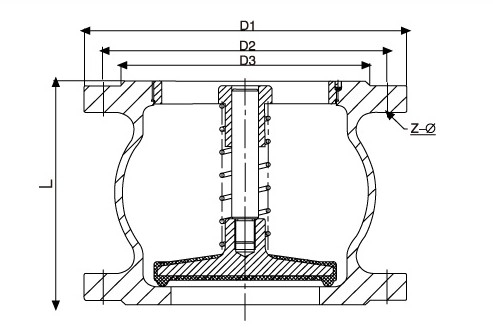
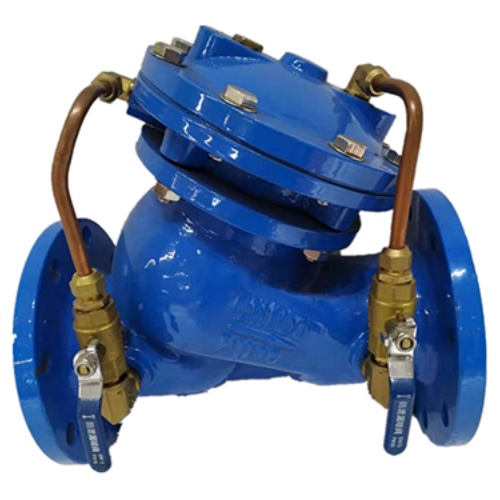
Understanding 3% and 4% Check Valves Function, Types, and Applications Check valves are crucial components in various fluid systems, allowing flow in one direction while preventing backflow. Among the different types of check valves, those denoted as 3% and 4% check valves refer to specific operational characteristics, including their cracking pressure, which is the pressure at which the valve begins to open. This article delves into the intricacies of these valves, their functions, types, and applications across various industries. The Function of Check Valves The primary function of a check valve is to maintain unidirectional flow within a pipeline. This is essential in systems where reversed flow could cause damage or inefficiency. Check valves work automatically, relying on the pressure of the fluid to open and close the valve. When pressure exceeds the valve's cracking pressure, the valve opens, allowing fluid to pass through. If the pressure drops or reverses, the valve closes, preventing backflow. Understanding 3% and 4% Check Valves The designation of check valves as 3% or 4% can refer to their cracking pressures relative to the system pressures they are used in. A 3% check valve may have a lower cracking pressure, allowing it to open more readily at lower system pressures. This characteristic is particularly beneficial in systems where pressure fluctuations are common. Conversely, a 4% check valve, with a higher cracking pressure, may be more suitable for systems operating under higher pressures or where flow must be more controlled. Types of Check Valves There are several types of check valves, each serving unique applications 1. Swing Check Valve Utilizes a swinging disc to allow or prevent flow. The disc swings open when fluid flows in the designated direction and swings closed in the event of backflow. 2. Lift Check Valve Features a vertically moving disc or piston. Flow in the forward direction lifts the disc, while backflow causes it to seat back against the body, preventing reverse flow. 3 4 check valve 3. Ball Check Valve Uses a ball as the closure element. The ball lifts off its seat when fluid flows in the correct direction and settles back down to prevent backflow. 4. Diaphragm Check Valve Employs a flexible diaphragm that opens or closes in response to fluid pressure, suited for sensitive applications or fluids that may corrode conventional materials. Applications Across Industries Check valves, including 3% and 4%, find extensive applications across various industries - Water Supply and Waste Management Ensuring unidirectional flow in pipelines, preventing contamination from backflow. - Oil and Gas Used in drilling, refining, and transportation systems to protect against potential hazards from reverse flow. - HVAC Systems Maintaining proper flow in heating, ventilation, and air conditioning systems to optimize performance and energy efficiency. - Pharmaceuticals In processes where fluid purity is critical, specific check valves ensure that contamination through backflow is avoided. Conclusion Understanding the functions and applications of 3% and 4% check valves is essential for selecting the right components for fluid systems. With various types of check valves available, engineers and system designers can tailor their choices based on operational needs, ensuring efficient and safe fluid transport. Whether in municipal water systems, industrial processes, or cutting-edge technology sectors, these valves play a vital role in maintaining system integrity and operational efficiency. Proper selection and maintenance of check valves contribute significantly to reducing downtime and enhancing the longevity of fluid systems.
-

High quality industrial productsagement

High quality industrial products
View Details -

Meet the diverse needs of customers

Meet the diverse needs of customers
View Details -

Strict quality control

Strict quality control
View Details -

Top raw materials

Top raw materials
View Details -

Trusted supplier

Trusted supplier
View Details
Our application


news and information
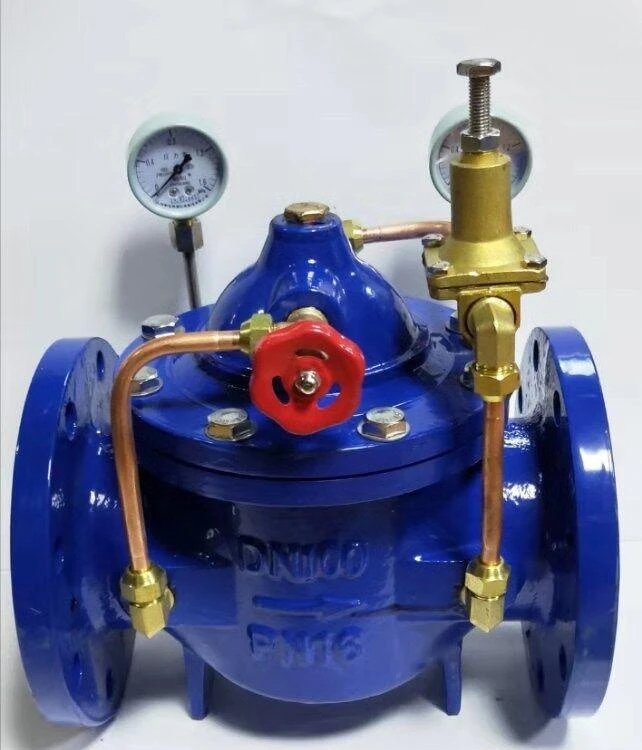
Versatile 48% Butterfly Valve for Enhanced Flow Control in Various Applications
Understanding the 48% Butterfly Valve A Key Component in Modern Flow Control When it comes to flow c
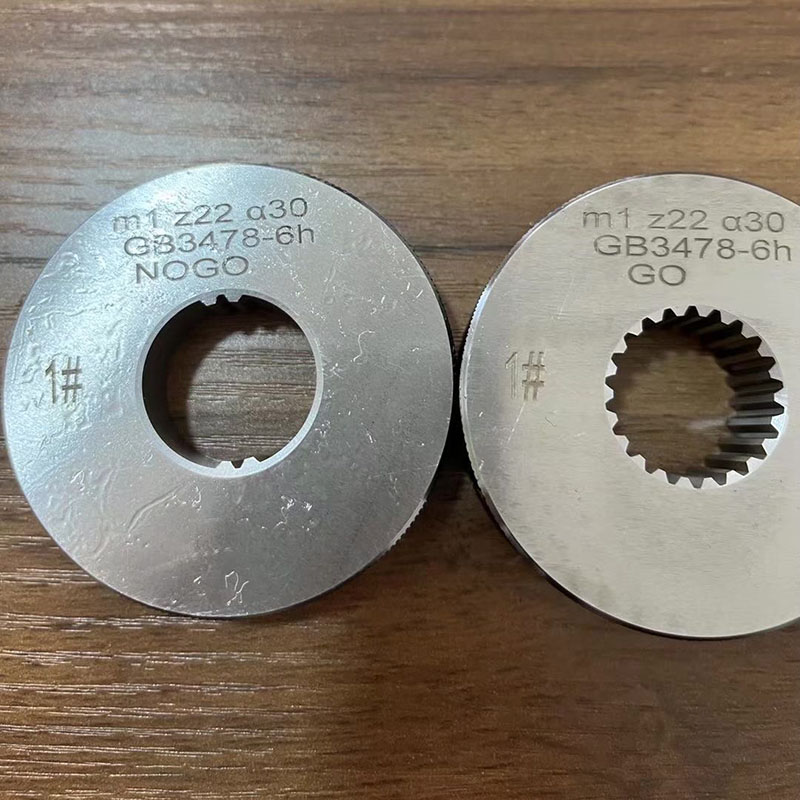
Versatile Thread Gauge for Precision Measurement and Adjustability in Mechanical Applications
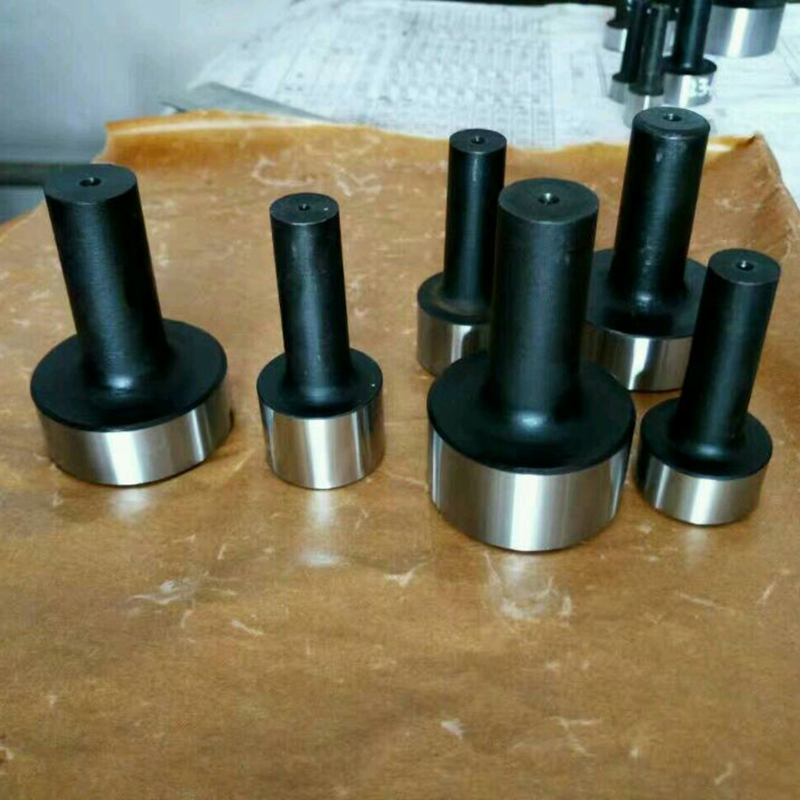
Understanding Adjustable Thread Gauges A Tool for Precision Measurement In the world of engineering
Ventil s klapkou 50 mm pro optimální regulaci průtoku vody
Klapka s průměrem 50 mm Klíčový prvek v regulaci toku Klapky jsou nezbytnou součástí mnoha průmyslov
 English